



永洗 / 八雲の契り
SKU: C25147
スマートフォンのお客様は画像上でダブルタップすると拡大画像をご覧いただけます。
Please double-tap on the image to zoom up images.
作品
年代 : 明治30年
サイズ : 34.2 × 23.8 cm
刷 : 良
保存 : 優良
詳細 : 少汚れ / 一部を掲載
ディレクターコメント
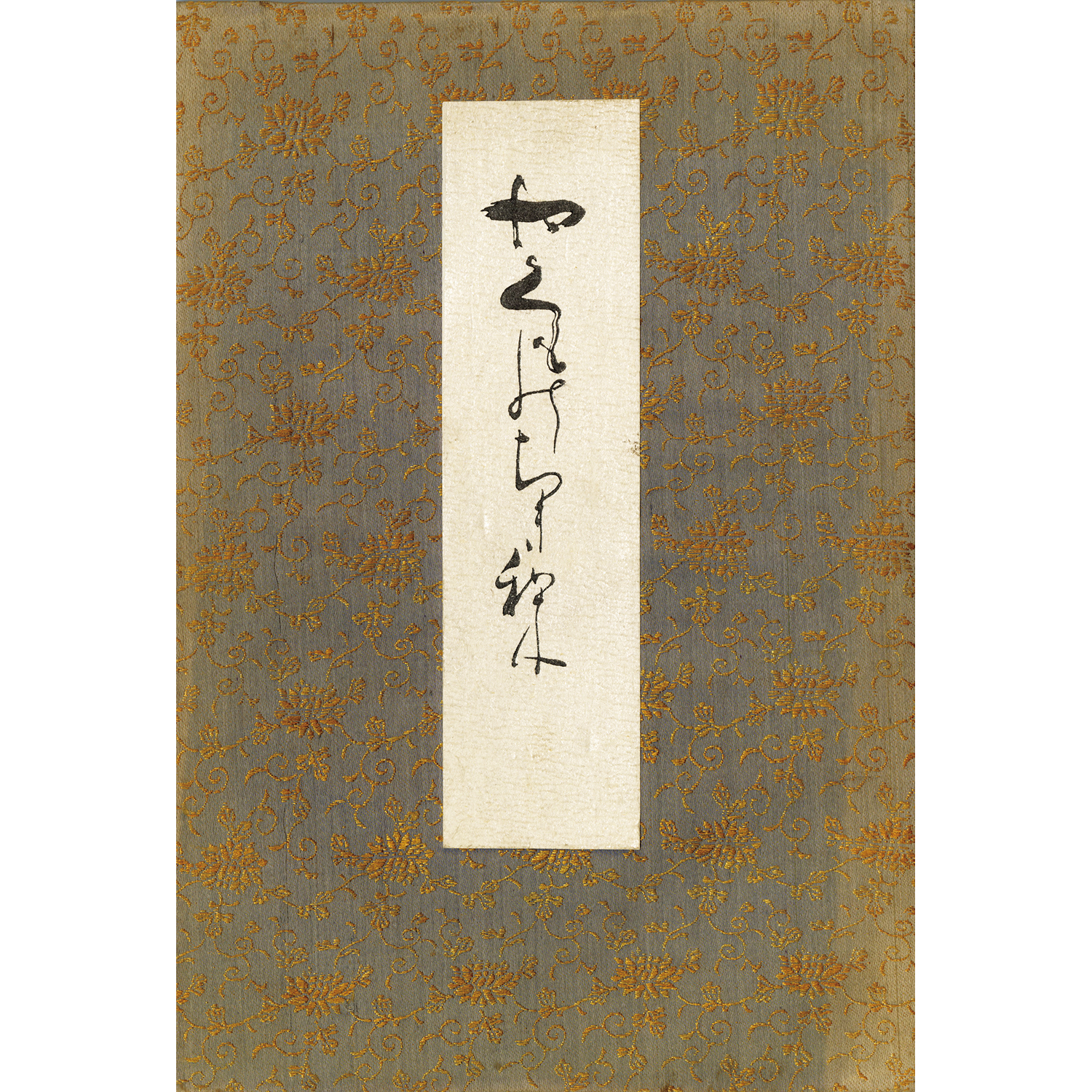
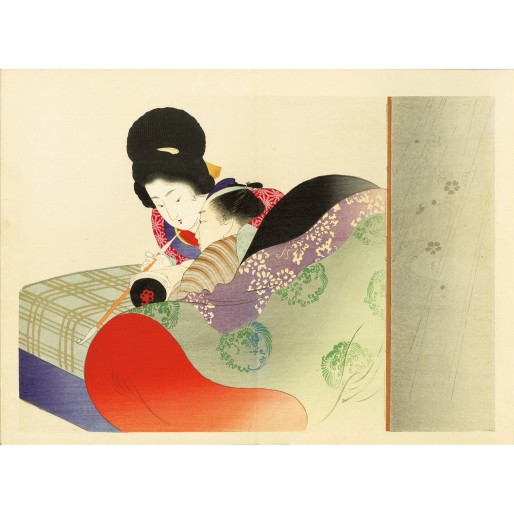
「八雲の契り」は、文芸出版で著名な春陽堂の年玉として、ひいき筋に配られた春画画帖である。
また、その好評に刺激を受けたライバルの博文館が、桂舟を起用してあいついで刊行したのが、「夜桜」「葉桜」で、この「八雲の契り」を含めた3作品が「明治三大名作」と総称された。
こちらの販売作品は、当時のまま画帖の姿を残している。
永洗は永濯の門下で画業の傍ら挿絵も手がけ、艶やかな美人画で評判を得た。その画風は、当時における流行の一典型を成したとも言われ、後の鏑木清方にも影響を与えている。また時代物にしろ現代ものにしろ、特異な人物を描くことに定評があった。
作品ページの見方とご購入ガイド
Information
Date : 1897
Size : 34.2 × 23.8 cm
Impression : Good
Condition : Very good
Detail : Slight browning / Only a part of the album is shown
"Yakumo no Chigiri (八雲の契り)" was a Shunga album distributed to patrons as a New Year's gift from Shunyo-do, a well-known publisher of literature and art.
Stimulated by the popularity of "Yakumo no Chigiri," the rival publisher Hakubunkan employed Keishu to publish "Yozakura (夜桜)" and "Hazakura (葉桜)" in succession. These works and this "Yakumo no Chigiri" were collectively called the "Three Great Masterpieces of the Meiji Era."
Eisen produced various artworks as a pupil of Eitaku and gained a reputation. His works are not only paintings but also Kuchi-e, illustrations for books. His artworks created the base of the forms of the trend of those days and influenced Kaburaki Kiyokata. He also had a reputation for depicting unusual, periodical, or contemporary characters.
Shopping Guide & Information of the Japanese Prints
Please double-tap on the image to zoom up images.
作品
年代 : 明治30年
サイズ : 34.2 × 23.8 cm
刷 : 良
保存 : 優良
詳細 : 少汚れ / 一部を掲載
ディレクターコメント
「八雲の契り」は、文芸出版で著名な春陽堂の年玉として、ひいき筋に配られた春画画帖である。
また、その好評に刺激を受けたライバルの博文館が、桂舟を起用してあいついで刊行したのが、「夜桜」「葉桜」で、この「八雲の契り」を含めた3作品が「明治三大名作」と総称された。
こちらの販売作品は、当時のまま画帖の姿を残している。
永洗は永濯の門下で画業の傍ら挿絵も手がけ、艶やかな美人画で評判を得た。その画風は、当時における流行の一典型を成したとも言われ、後の鏑木清方にも影響を与えている。また時代物にしろ現代ものにしろ、特異な人物を描くことに定評があった。
作品ページの見方とご購入ガイド
Information
Date : 1897
Size : 34.2 × 23.8 cm
Impression : Good
Condition : Very good
Detail : Slight browning / Only a part of the album is shown
"Yakumo no Chigiri (八雲の契り)" was a Shunga album distributed to patrons as a New Year's gift from Shunyo-do, a well-known publisher of literature and art.
Stimulated by the popularity of "Yakumo no Chigiri," the rival publisher Hakubunkan employed Keishu to publish "Yozakura (夜桜)" and "Hazakura (葉桜)" in succession. These works and this "Yakumo no Chigiri" were collectively called the "Three Great Masterpieces of the Meiji Era."
Eisen produced various artworks as a pupil of Eitaku and gained a reputation. His works are not only paintings but also Kuchi-e, illustrations for books. His artworks created the base of the forms of the trend of those days and influenced Kaburaki Kiyokata. He also had a reputation for depicting unusual, periodical, or contemporary characters.
Shopping Guide & Information of the Japanese Prints
最近見た作品